I’ve been thinking a lot about privilege lately. Not the kind people usually talk about, but the privilege to create just for the sake of creating. The privilege to price my work fairly. The privilege to have leisure time at all. February feels like the right time to connect these thoughts to the Black women—in my family and throughout history—who made my creative life possible.
I often think about the women in my family and how strong and courageous they were. I like to think those traits are inheritable, but I’m not sure I’d rise to their challenges half as well. I’ve become fixed on collecting family stories so I can pass them on to my own child.
My great aunt told me about how my great grandmother had eight children at a time when Black people were not able to be serviced by hospitals. She said there was a lady who lived on their street who helped deliver her siblings. This shocked me.
The Privilege of Leisure Time
I’m realizing more and more how privileged I am to have access to things that are considered basics—like healthcare—but perhaps my biggest privilege is leisure time.
My Granny Mildred didn’t have the fancy appliances or DoorDash that we have now. She raised eight children the old-fashioned way. That takes a lot of time and energy. With a six-month-old, I’m certainly in need of more time and energy, but I doubt it compares. I like to remind myself of that from time to time. I say to myself, “I can do hard things.” I’m not the first to be pushed to new limits and I won’t be the last.
Life can be testing. But at least I have relief in my leisure time. I still have the mental space and ability to create for the sake of creating. I can make beautiful wall hangings just because.
In times of low energy and resources, you often can only make for practical or functional reasons. Maybe someone needs new pants or the blankets need mending. I see my life as something the women before me could only dream about. Mostly, I’m grateful because I wouldn’t be here without them.
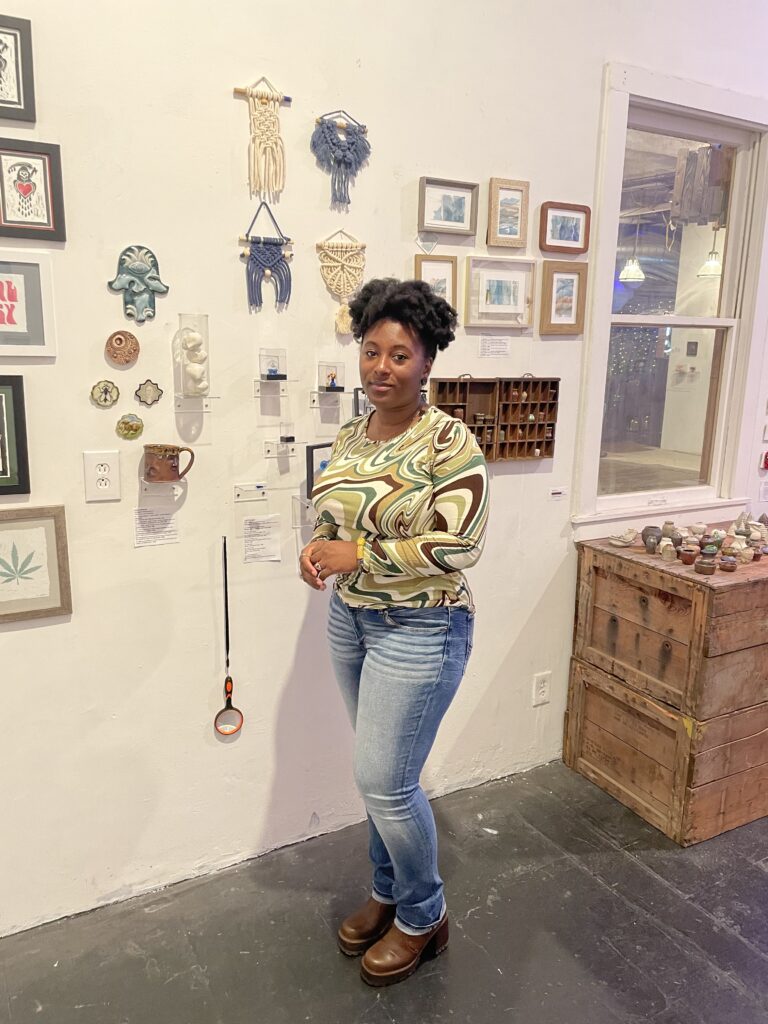
Black Fiber Artists You Should Know
All of this and more has been on my mind lately. To celebrate the incredible folks of our past, I’m doing a series on TikTok and Instagram highlighting “Black Fiber Artists You Should Know.”
This will range from Elizabeth Keckley, an enslaved woman who bought her and her son’s freedom with money she made from dressmaking, to Bisa Butler, a contemporary artist creating stunning quilted portraits. I’m excited to share these stories throughout February.
Scarcity, Stewardship, and Abundance
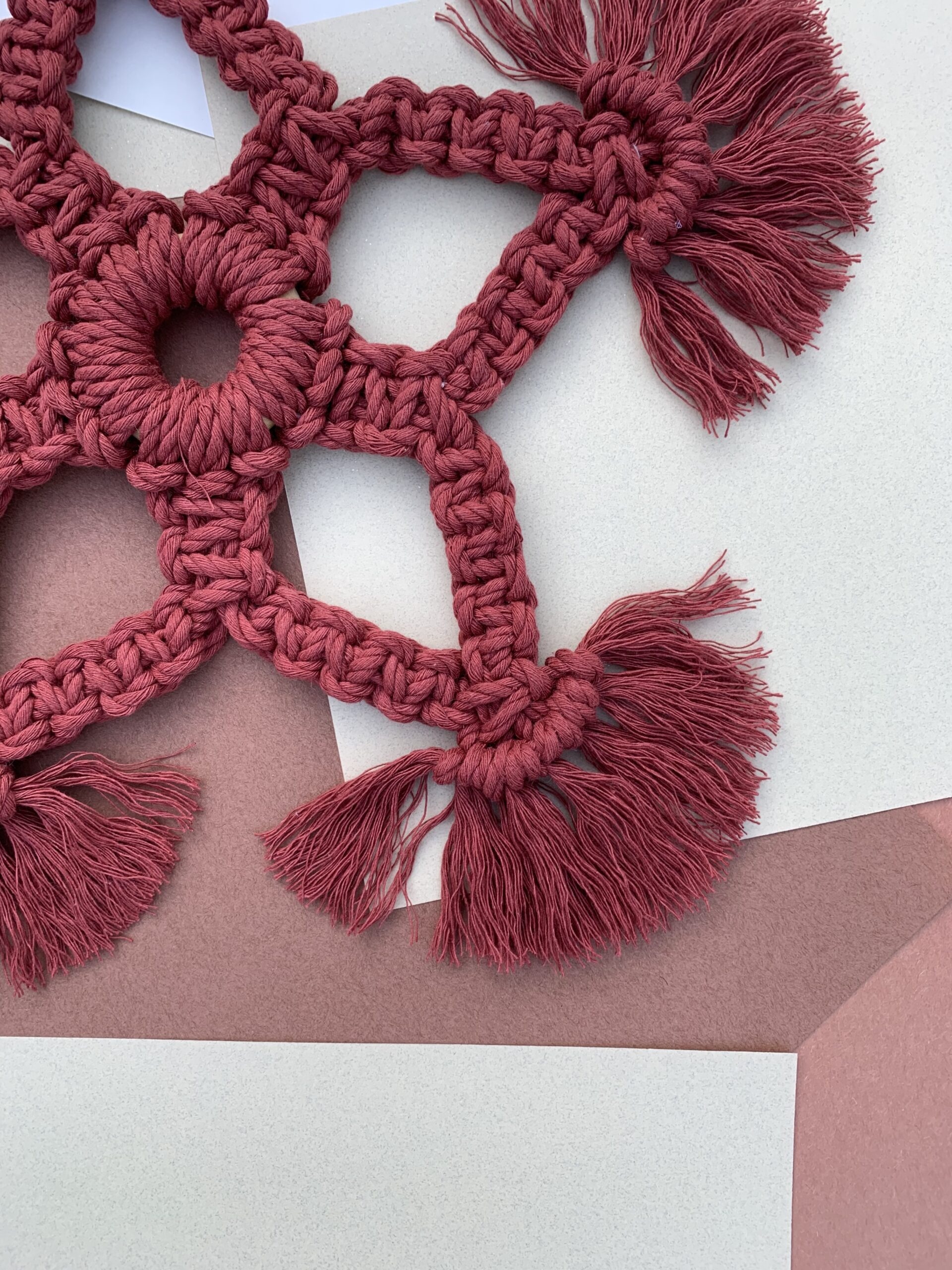
I’ve mentioned I’m working on my first collection right now. It’s a small three-piece collection where I’m examining scarcity and stewardship. How together they create abundance, but without community you’re stuck in a mental trap that only pulls you deeper into scarcity.
This theme reflects in our lives in a lot of ways. I’m certainly trying to steward my time (most valuable resource ever) and energy, which is very scarce right now. But this theme could also apply to money or knowledge.
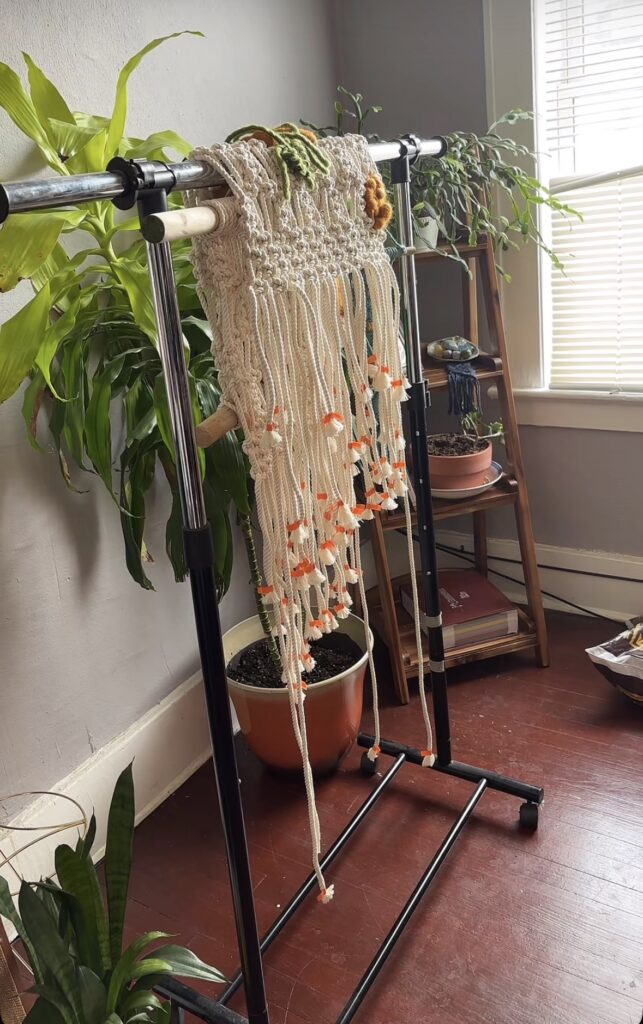
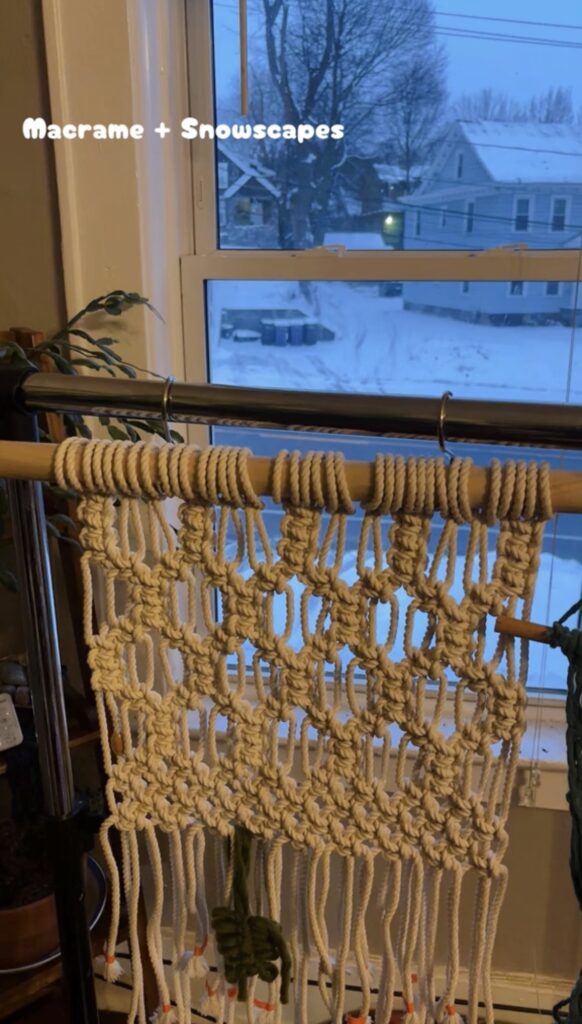
The Undervaluing of Fiber Arts
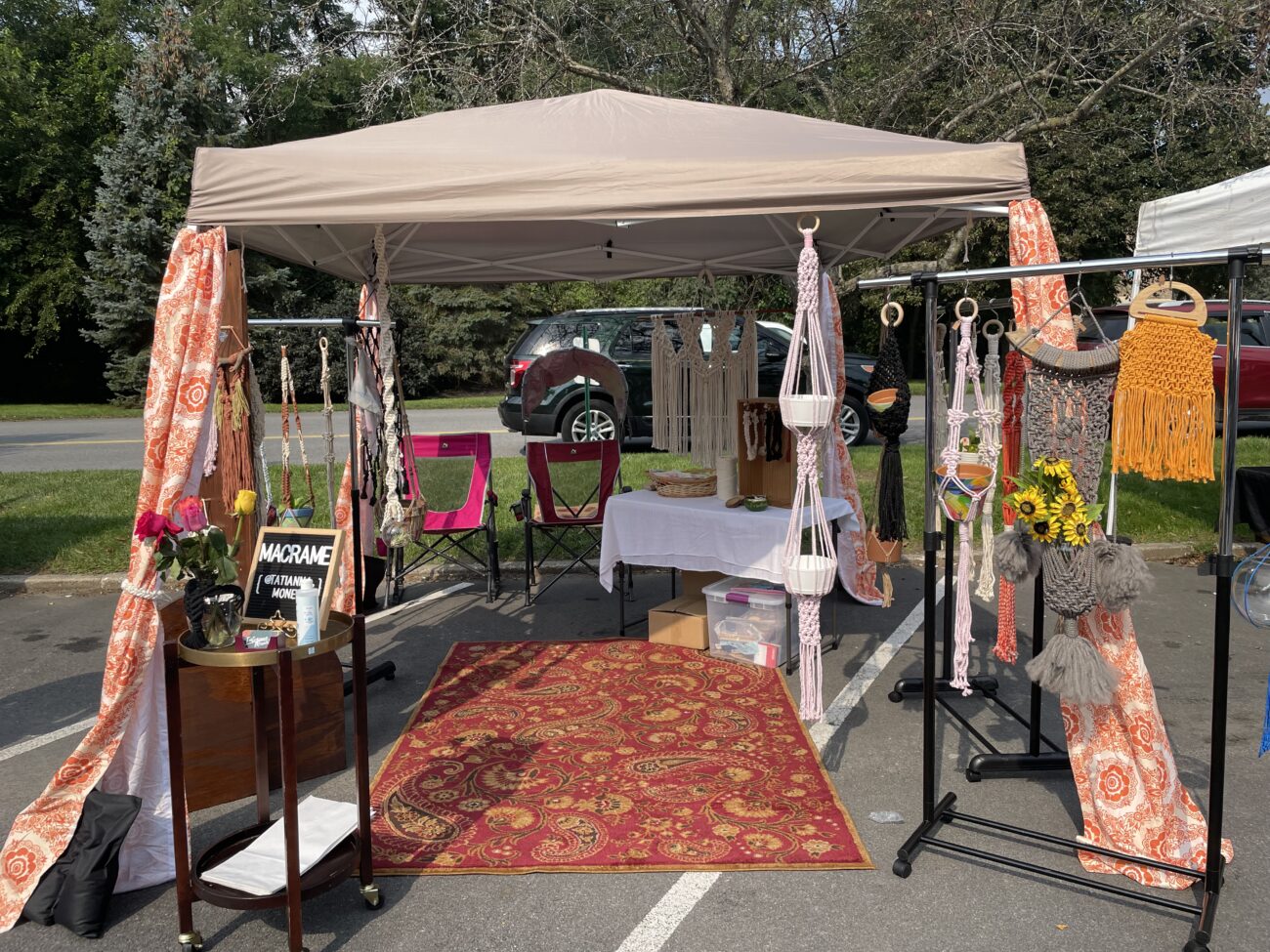
I’ve often felt like fiber arts are undervalued. The word “craft” is used to devalue it, to make it something less than fine art. I can’t help but feel like this is because it’s seen as women’s work. Historically, it’s women who do the knitting, sewing, weaving, and of course, macrameing.
This is something I’ve struggled with myself. So often I struggle to price my products appropriately—undervaluing myself. As a business owner, it’s hard not only to recognize the intrinsic value of your work but then have the nerve to stand on business and price accordingly.
If you’ve ever seen the price of something I’m selling and winced, believe that I winced harder first. I’m much better with this now and have even started telling other friends and artists that they aren’t charging enough.
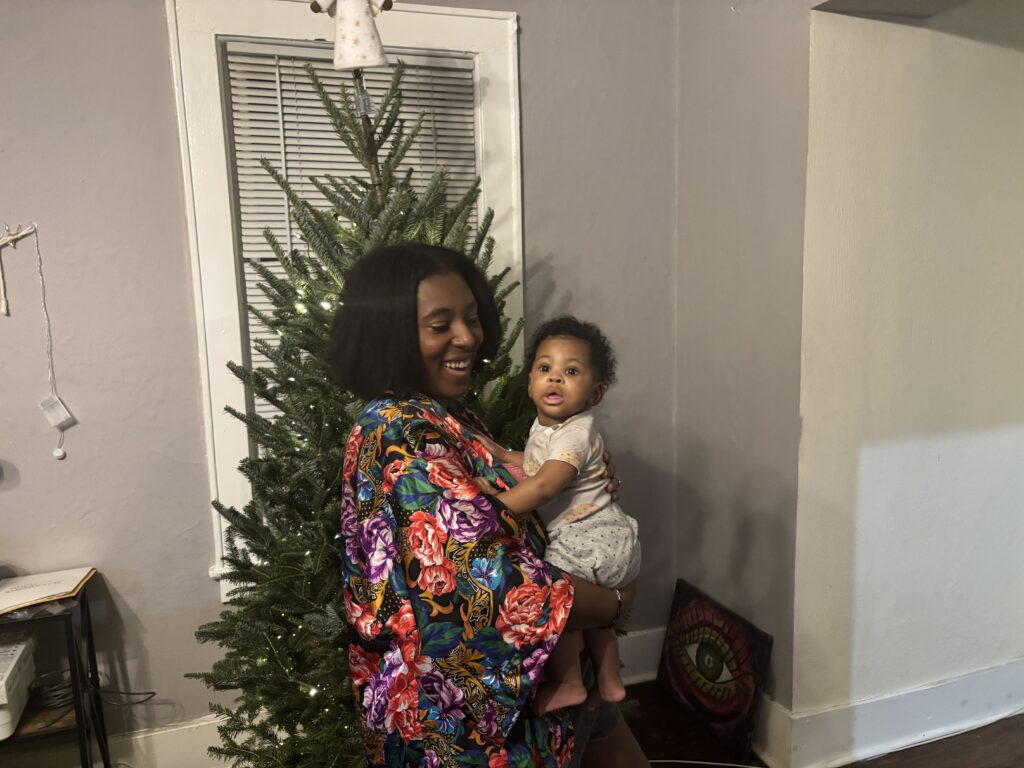
The Radical Work of Creating
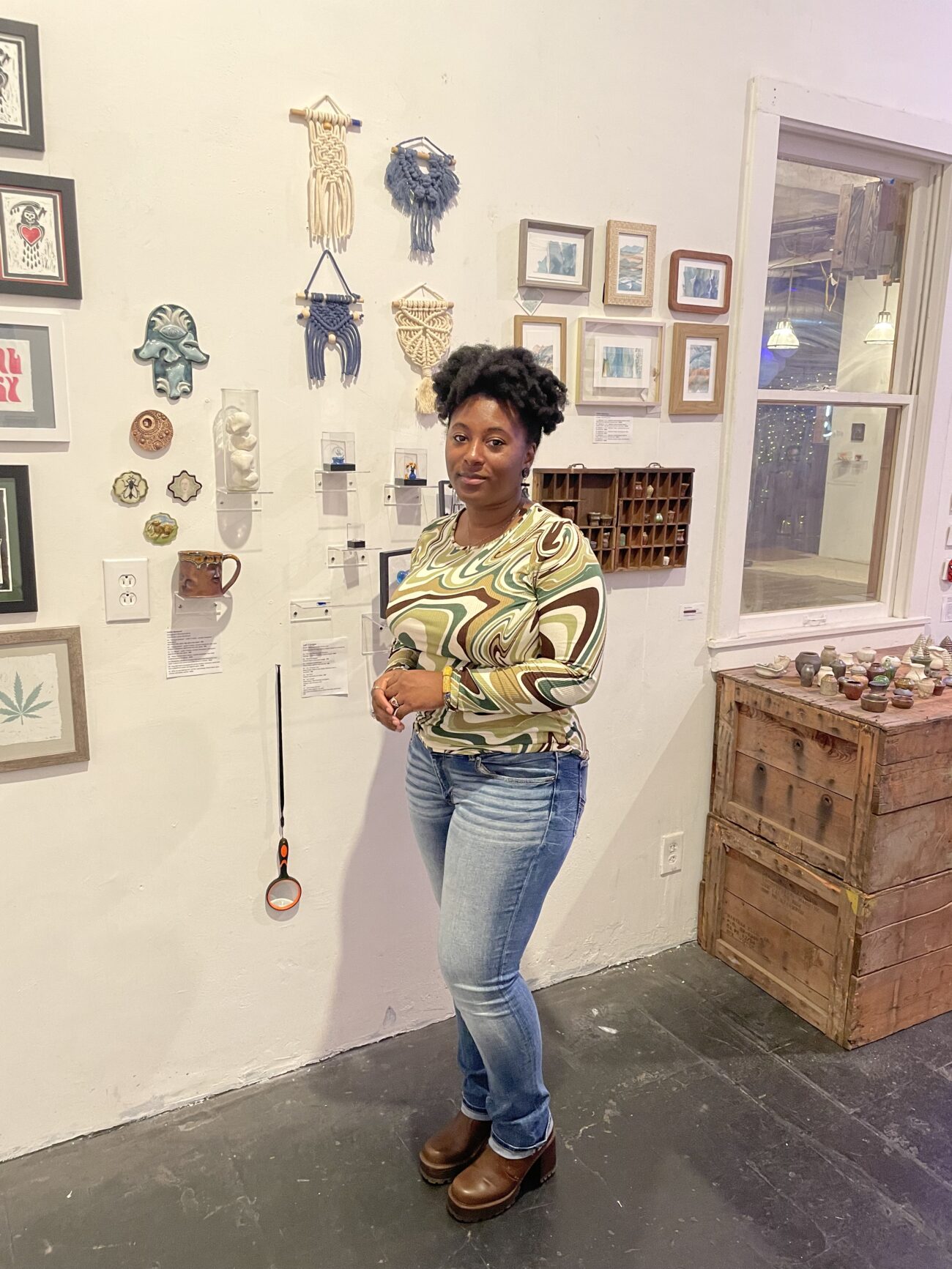
To me, all of this is covert radical work as an entrepreneur. Understanding the history of value. The privilege to even have the agency to reflect your value. Being an active member of the small business village. And continuously recognizing how privileged one is to be able to have a creative lifestyle.
The women in my family didn’t have time to make art for art’s sake. They were surviving. The fact that I can sit in my studio and knot rope into something beautiful—not because anyone needs it, but because I want to—is a gift they made possible.
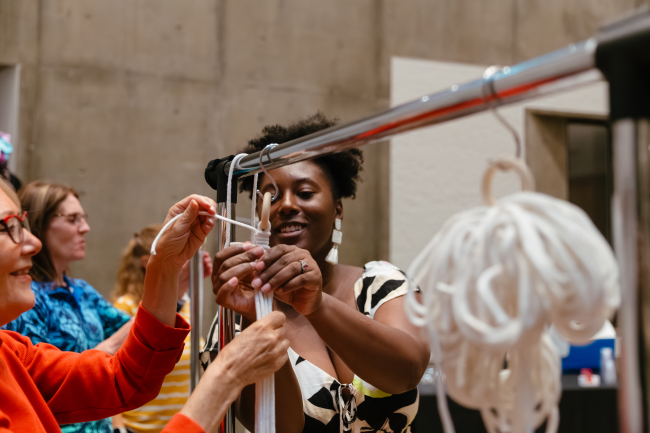
Every time I price my work fairly, every time I teach someone else to create, every time I claim space as a Black woman artist, I’m honoring them. That’s the radical part.
Be blessed everyone,
Tatianna Monet